Booper Get Home
How I got involved
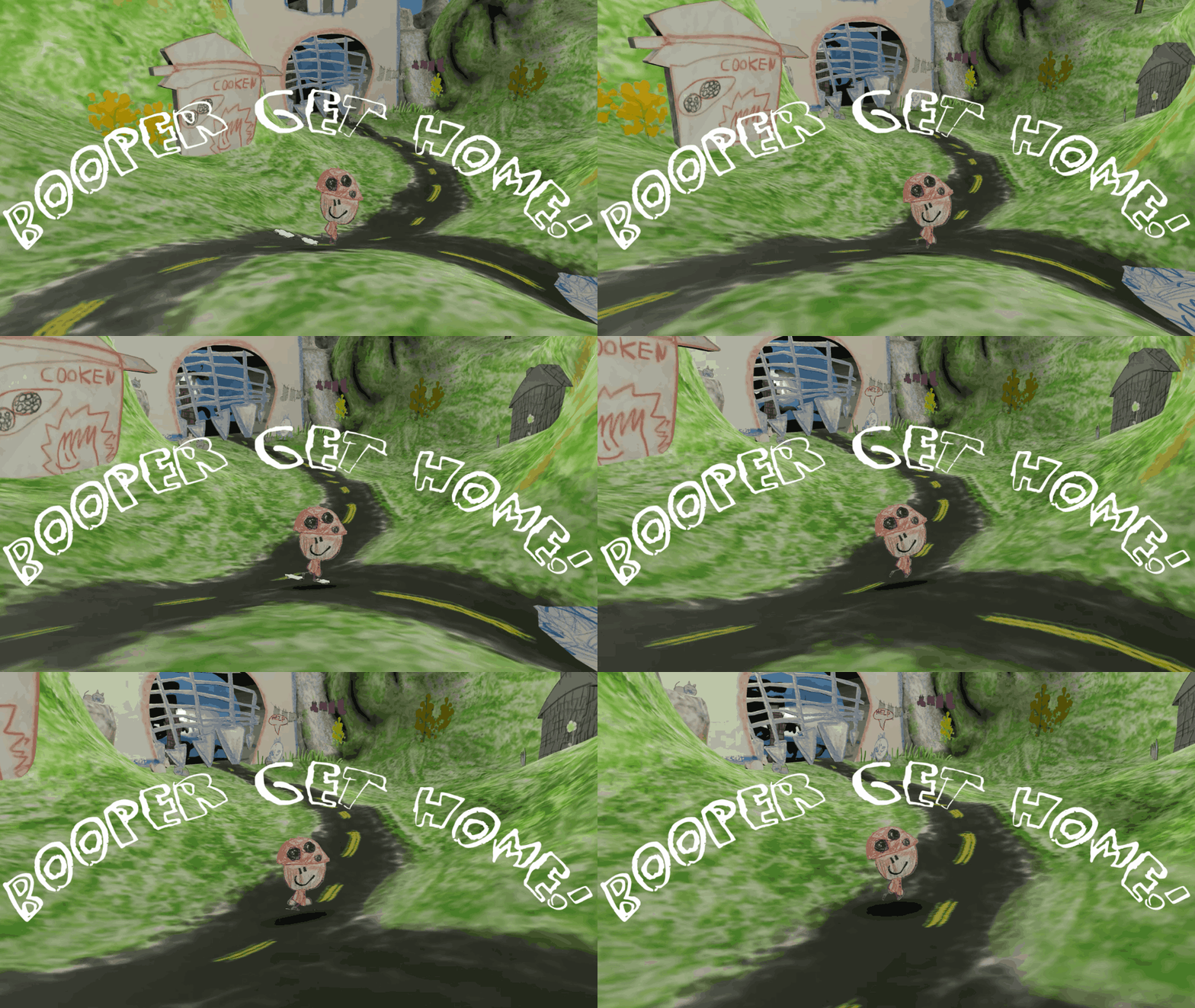
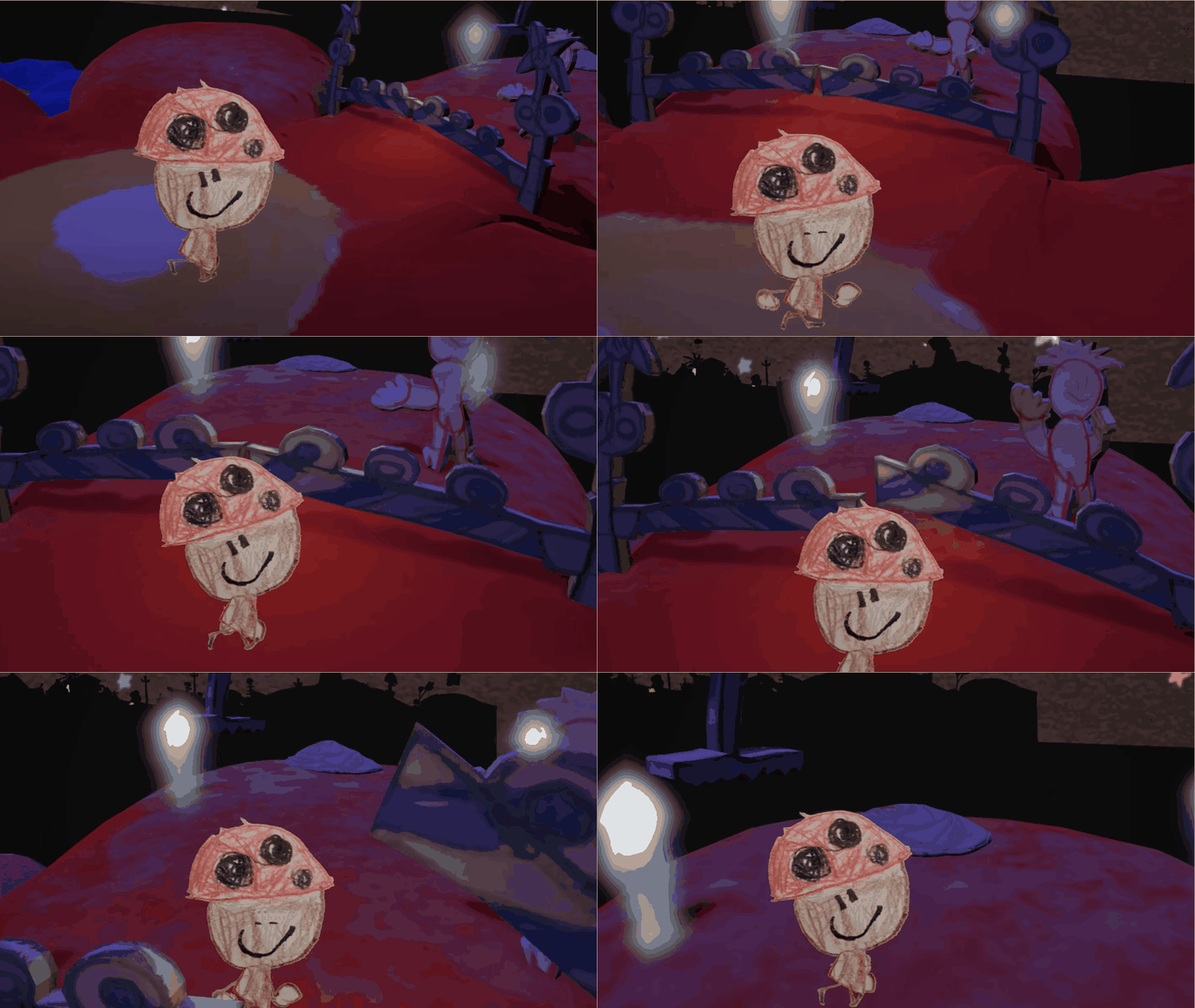
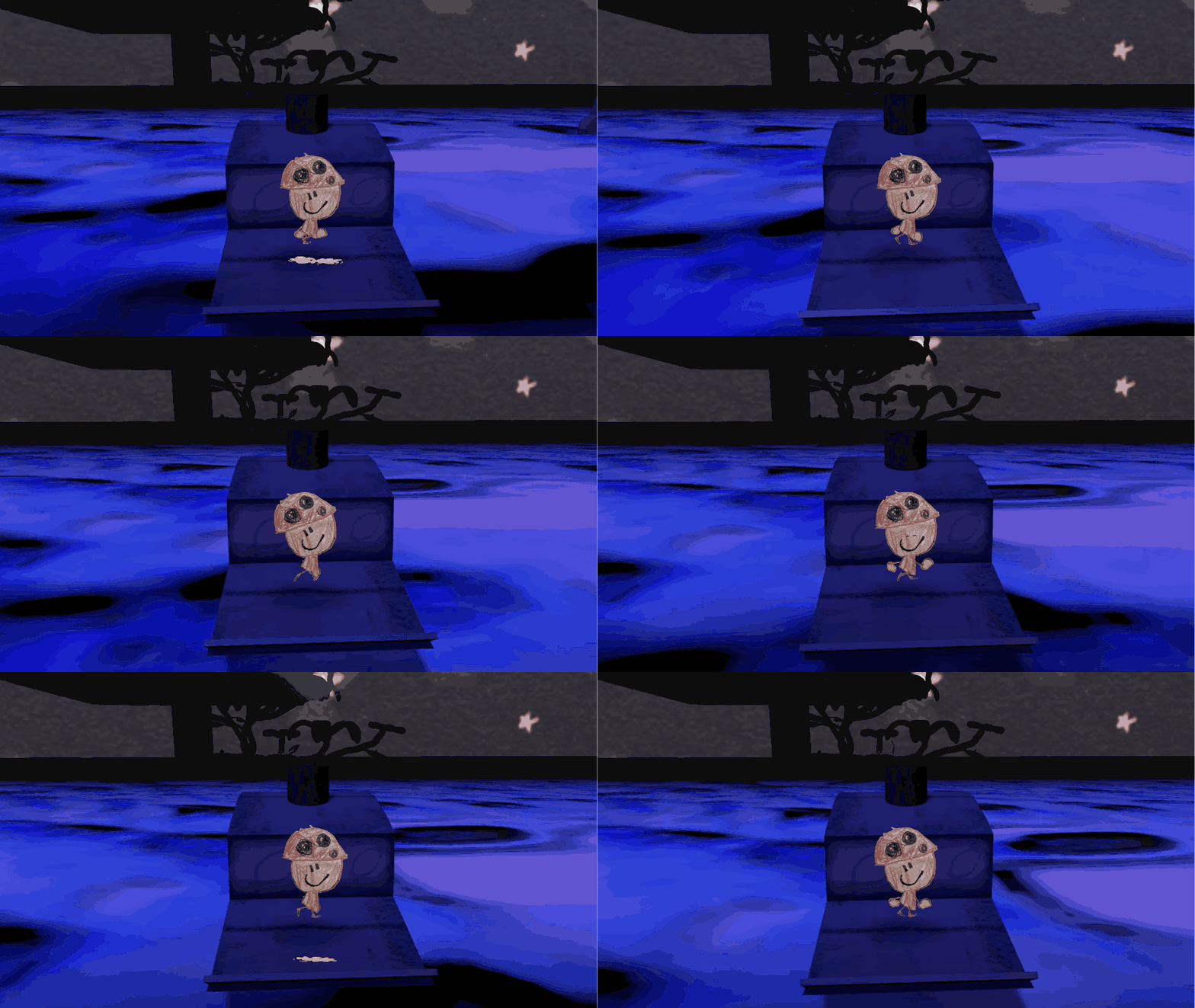
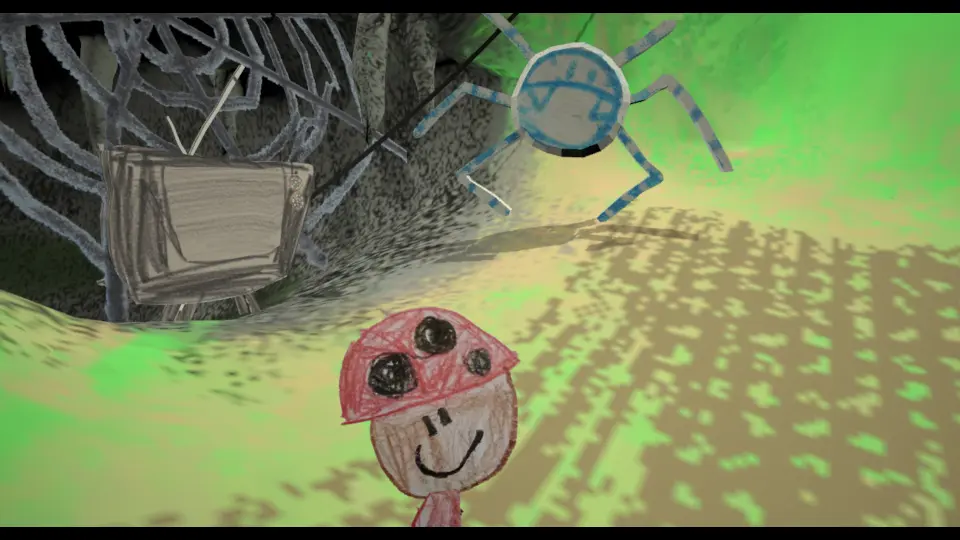
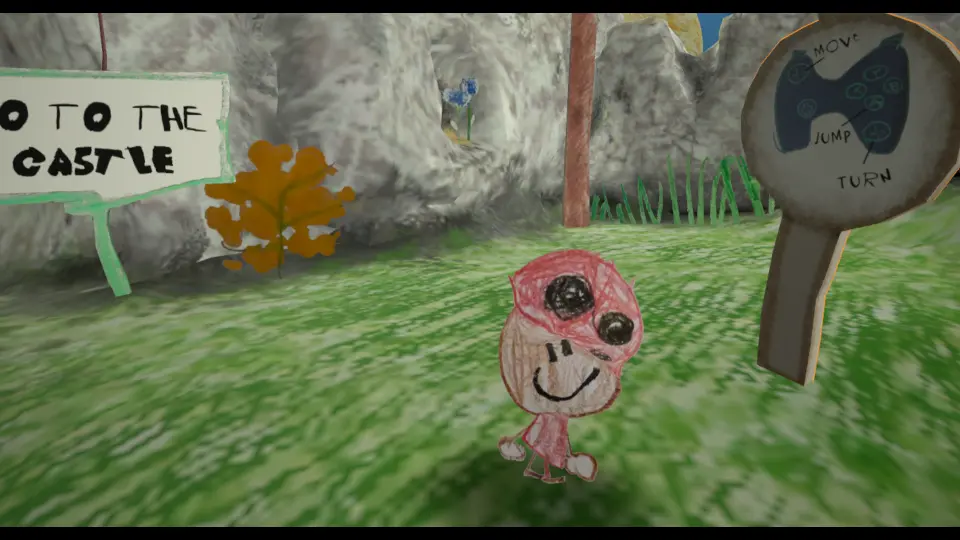
Booper Get Home was a VR game that I worked on with Fletcher Studios during early 2021. It was a charming little 3D VR adventure/exploration game, where all visuals were based on the crayon drawings of the lead designer's young son on the autism spectrum. I had played it at GDEX in the past and found it to be both adorable and clever, as the low-resolution crayon art style lent itself naturally to virtual reality, where textures/models typically need to be simplified anyway to achieve the necessary high frame rates to avoid motion sickness. The owner and founder of Fletcher Studios, Thomas Kildren, was a member of the Cleveland Game Developers like me, so we had already met and spoken several times before this.
In late 2020, Thomas entered his studio into the Youngstown Business Incubator's Virtual Pitch Competition to raise funds for Booper, and I saw his post about it on the CGD Facebook Page. In the promo video for that competition, he mentioned wanting to hire and work with other local talent in the Cleveland area. Intrigued by that, and knowing that the game was pretty impressive, and considering Thomas's and my common status as dads in game development, I decided to reach out.
In December 2020, I sent Thomas a Facebook message asking if he would be interested in collaborating. He was very much interested! We had a video call after New Year's, and just like that he was helping me set up on Oculus Start so I could get a VR headset and start playtesting and optimizing. Booper Get Home would ultimately not win the competition for funding by February 2021, but I still continued to work on the game with Thomas for a time.
My Contributions
Most of my early contributions to Booper Get Home were modest, as I had never worked with a Unity VR project before, nor the PlayMaker visual scripting asset, which Booper used excessively since Thomas didn't know C# well. I helped him fix some log-related memory leaks, identify rendering optimizations like occlusion culling and reducing post-processing effects, and playtest his demo scene thoroughly.
When he gave me the go-ahead to program in C# rather than PlayMaker, I wrote a script for smooth camera follow, which worked very well and actually encouraged Thomas to consider new level designs like cave systems. I later improved this script to use sphere-casting so that the camera still positioned as expected even, e.g., if the player were standing in front of a hole in a wall that a mere raycast would pass through and put the camera further back than expected. When I received a free Quest headset from the Oculus Start program in March 2021, I was also able to playtest more effectively (than just in the Unity Editor) and suggest design improvements like adding drop shadows to make the platforming sections less frustrating.
Unfortunately, after May 2021, Thomas didn't seem to have any other work for me and started being unresponsive. While we still saw each other at GDEX 2021, we didn't see each other at any CGD events thereafter and mostly fell out of contact. As of this page's last update in April 2026, it looks like he has mostly stopped working on Booper himself, based on the post dates of the game's website and its Steam/itch.io pages (linked above). Still, this was a pleasant collaboration that taught me a lot about VR design, and got me a free Quest headset! 😅